
Capability 03
Industrial Plastic Injection Molding — Precision, Process Control and Production Performance
19
injection molding machines
50–650 T
clamping force range
20+ million
parts manufactured annually
+200
available resin and material grades
400 metric tons
of material processed annually
90%
of production equipment robot-equipped
Manufacturing Capacity
With 19 injection molding machines ranging from 50 to 650 metric tons of clamping force, PPI manufactures more than 20 million plastic components every year for demanding markets including construction, medical and healthcare, defense, industrial applications, childcare products, leisure and tableware.
The Process
Injection Molding: A High-Performance Process for Technical Plastic Parts
Plastic injection molding is one of the most efficient manufacturing processes for producing high-volume parts with a high level of precision and repeatability.
Thermoplastic resin in pellet form is heated and plasticized before being injected under pressure into a purpose-designed mold that reproduces the required part geometry.
Once cooled and solidified, the molded part is ejected and inspected before moving on to the next stage of production.
The process makes it possible to manufacture both simple and complex geometries in a single molding operation, often eliminating the need for additional machining while providing excellent production repeatability.
STEP 01
Plasticizing
Thermoplastic resin in pellet form is heated and plasticized to reach the required melt condition.
STEP 02
Injection
The molten resin is injected under pressure into a mold designed to reproduce the required part geometry.
STEP 03
Cooling & Ejection
The molded part cools and solidifies before being ejected from the mold.
STEP 04
Inspection
The part is inspected before moving on to the next stage of the manufacturing process.
Production Equipment
Injection Molding Capacity for a Wide Range of Industrial Requirements
Our production floor includes 19 injection molding machines ranging from 50 to 650 metric tons of clamping force.
This range enables us to manufacture everything from micro-components to larger technical parts, including complex geometries and applications with demanding quality requirements.
To improve productivity and process reliability, 90% of our injection molding machines are equipped with 3- or 6-axis robots. These systems automate part handling and can also support selected inspection, assembly and packaging operations.
Automation contributes to greater process repeatability and consistent part quality throughout production. Each year, PPI manufactures more than 20 million parts and processes approximately 400 metric tons of material.
19 machines
injection molding machines, 50–650 metric tons of clamping force
90%
robot-equipped (3- and 6-axis robotic systems)
0.01 g → 3 kg
part weight range
Fully Controlled Production
Complex Geometries. One Controlled Molding Process.
Materials[ 200+ GRADES ]
200+ Material Grades for a Wide Range of Applications
Mechanical strength, thermal performance, chemical resistance, appearance requirements and regulatory constraints all influence material selection. With access to more than 200 material grades, PPI can help customers identify the solution best suited to their application — including recycled and bio-based materials where compatible with technical requirements.
Commodity Thermoplastics
Commonly used polymers
Engineering Thermoplastics
For demanding technical applications
Thermoplastic Elastomers
For flexibility, comfort and grip
Recycled & Bio-Based Materials
Lower-impact material alternatives
Advanced Molding Technologies
Beyond Standard Injection Molding

0.01 g
minimum part weight
All-Electric
micro-injection molding machine
Micro-Injection MoldingAll-Electric
Precision at Extremely Low Shot Weights
PPI’s equipment enables us to manufacture parts ranging from 0.01 grams to 3 kilograms. For applications requiring particularly high precision and extremely low material volumes, we operate an all-electric micro-injection molding machine equipped with a high-precision metering system.
This technology enables the production of parts weighing as little as 0.01 grams while maintaining excellent cycle-to-cycle repeatability. Precise control of very small shot volumes, stable processing parameters and accurate material metering help minimize scrap and maintain consistent quality throughout production.
Micro-injection molding is particularly well suited to technical components requiring tight dimensional control and highly repeatable processing.
220 T
2K injection molding machine
1 cycle
integrated cycle — rotary platen with robotic handling
2K Injection Moldingmulti-material
Two Materials. One Molding Cycle.
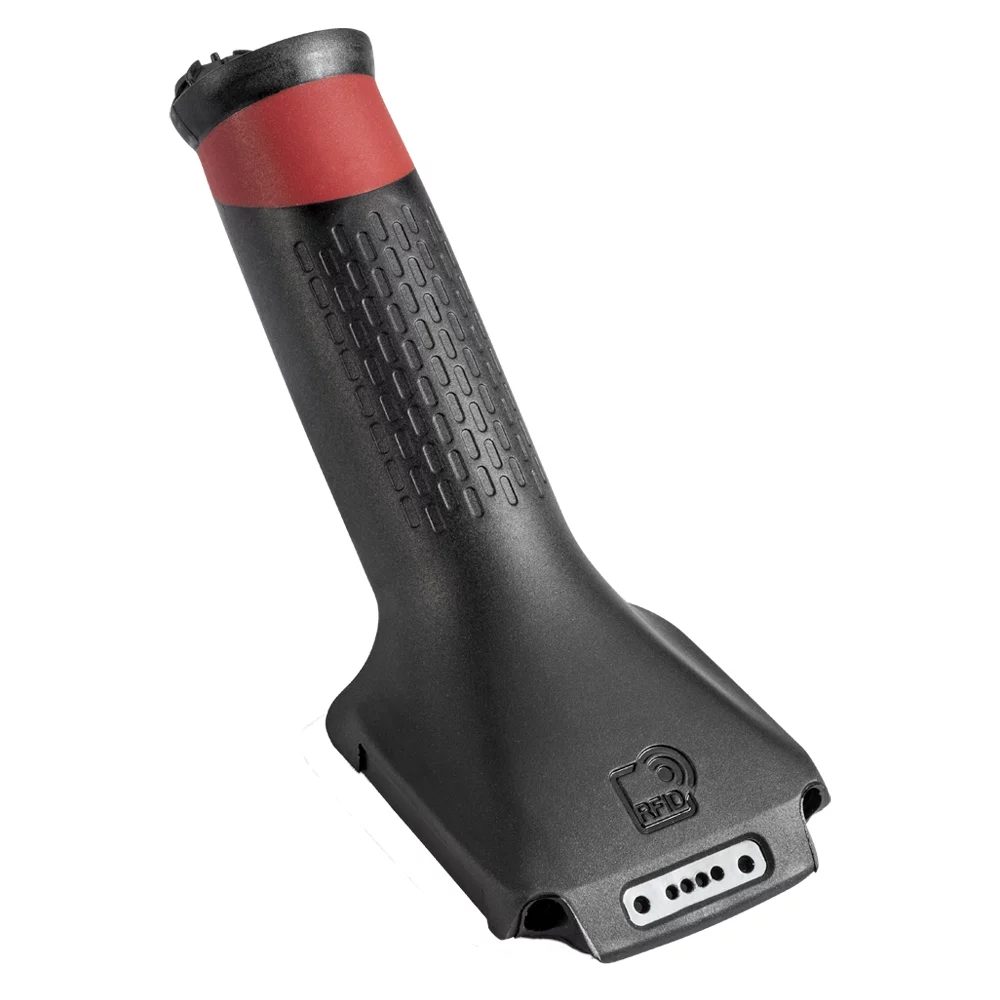
Certain components require multiple materials to combine different properties within a single part. For these applications, 2K injection molding — also known as two-shot molding — can provide an efficient alternative to overmolding, particularly when unit cost becomes critical at medium to high production volumes.
For example, a rigid thermoplastic can be combined with a softer material to improve ergonomics, user comfort or grip.
PPI operates a 220-metric-ton two-component injection molding machine equipped with a rotary platen and robotic part handling, enabling multi-material parts to be molded within a single production cycle.
This process can eliminate selected assembly operations, improve product reliability and reduce overall manufacturing cost.
Process Control & Quality
Quality Built into Every Stage of Production
The quality of an injection-molded part depends on more than the machine and the mold. It requires control of the complete manufacturing process.
Our teams closely monitor processing parameters, material behavior and production conditions. In-process inspections are performed throughout manufacturing to verify part conformity and help ensure reliable, repeatable production that meets defined customer requirements.
Why PPI
Why Choose PPI for Your Injection Molding Projects?
PPI provides an integrated industrial approach from initial product engineering through serial production.
Our capabilities in co-engineering, mold engineering, plastic injection molding, micro-injection, overmolding, 2K molding, secondary operations, assembly and packaging enable us to manage multiple stages of product industrialization within a consistent manufacturing framework.
By combining responsive project support, more than 35 years of injection molding expertise and a broad range of production capabilities, we help customers strengthen supply continuity, optimize manufacturing costs and maintain consistent product quality.
Our Other Capabilities
More PPI Capabilities
Frequently Asked Questions About Plastic Injection Molding
FAQ
What is plastic injection molding?
Plastic injection molding is a manufacturing process in which molten thermoplastic material is injected into a mold to produce high volumes of accurate, repeatable parts.
What types of parts can PPI manufacture?
Our capabilities range from micro-components to larger technical and appearance-critical plastic parts for a wide variety of industrial applications.
What materials can you process?
PPI works with more than 200 material grades, ranging from commodity polymers such as PP to high-performance engineering thermoplastics including PPS and PEEK. Our portfolio also includes recycled and bio-based solutions, including materials incorporating algae- or wood-fiber-based content.
What is micro-injection molding?
Micro-injection molding is designed for extremely small components requiring highly accurate material metering and excellent process repeatability. PPI can manufacture micro-molded parts weighing as little as 0.01 grams.
What is the difference between standard injection molding and 2K molding?
Standard injection molding typically uses a single material within the molding cycle. 2K, or two-shot, injection molding combines two materials within the same component during an integrated molding process.
What is the difference between 2K injection molding and overmolding?
2K injection molding combines multiple materials within the same part as part of an integrated molding cycle. Overmolding involves molding material onto an existing substrate or component, such as a metal insert, electronic component or previously molded plastic part. The appropriate process depends on the project’s technical, functional and economic requirements.
PPI
Let’s Discuss Your Project
Developing a Plastic Component?
Our team can support you from design through industrialization.
Your contact

Céline JEANNIN
Sales Manager