Capabilities · Capability 05
Overmolding & Insert Molding: Integrating Materials, Inserts and Functions into a Single Component
50 to 650 T
available clamping force range
17
horizontal injection molding machines equipped for overmolding and IML applications
2
dedicated vertical molding machines for insert molding — 60 and 130 metric tons
+200
available resin and material grades
Our Multi-Material Expertise
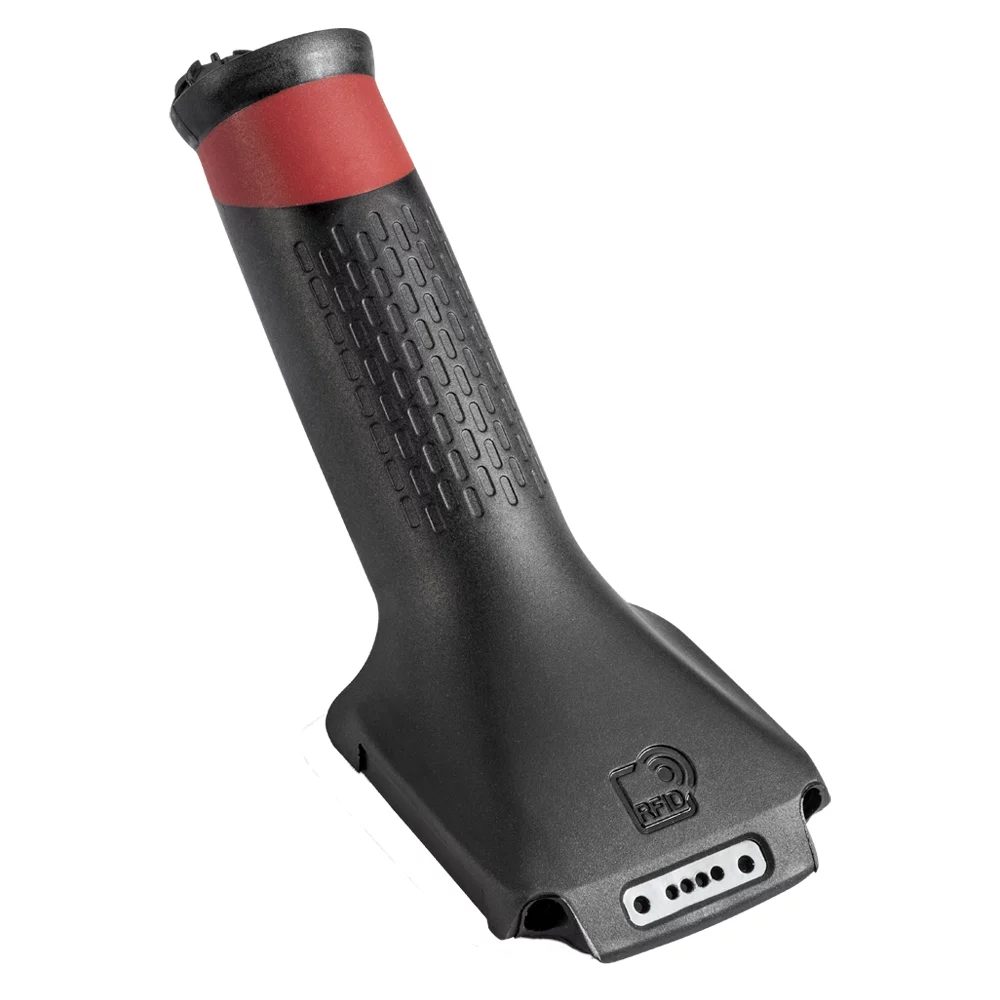
Overmolding and insert molding make it possible to integrate multiple materials, metal inserts and functional components including RFID and NFC elements directly into a molded plastic part. PPI supports customers from co-engineering and tooling development through industrialization and serial production, selecting the molding process best suited to each application’s technical, functional and appearance requirements.
The Process
Why Use Overmolding?
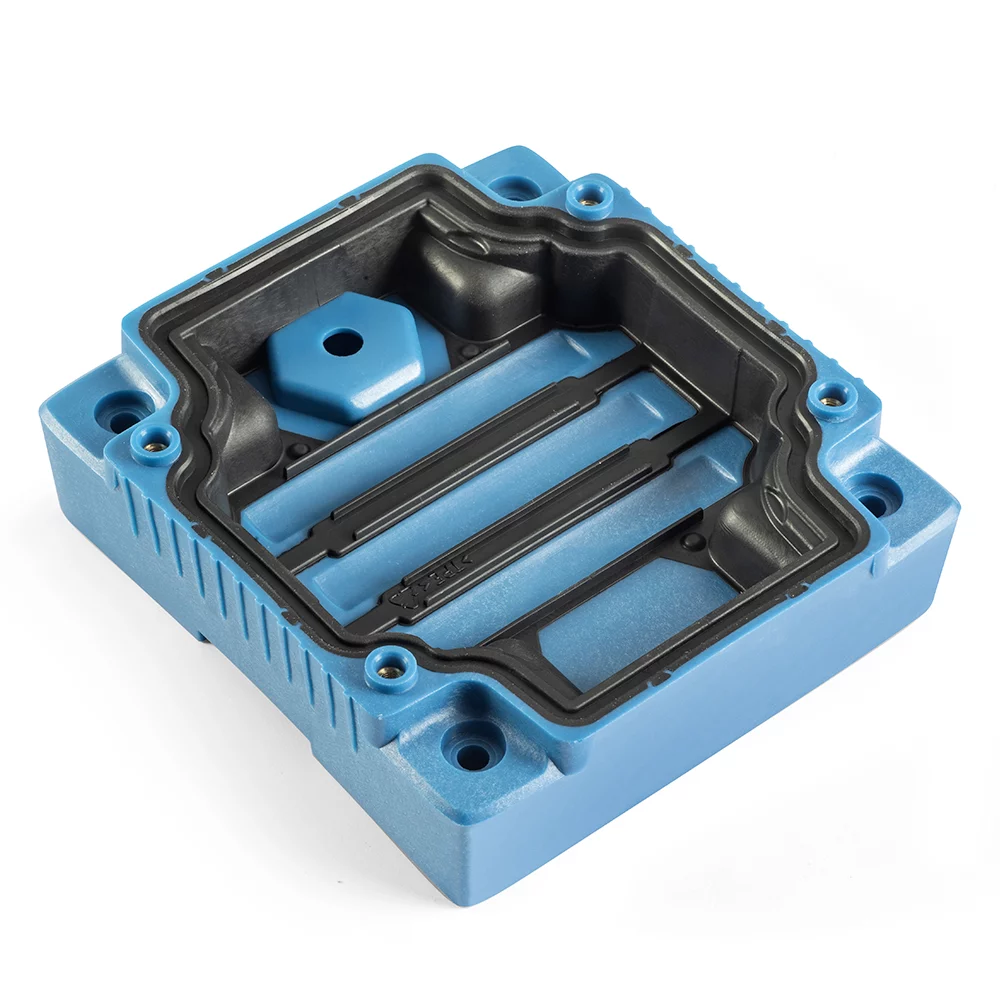
Overmolding involves molding thermoplastic material onto or around an existing substrate or component to create an integrated part.
Depending on the application, the molded-in element may include:
This process can combine technical, functional and appearance requirements within a single component while reducing downstream assembly operations.
It also creates new design opportunities by integrating multiple functions directly into the molded part.
Three Core Technologies
A Broad Range of Overmolding and Multi-Material Solutions
PPI’s overmolding expertise is not limited to a single process. Our equipment and tooling capabilities enable us to select different manufacturing approaches depending on part design, inserted components, materials, volumes and production requirements.
Plastic Overmolding on Metal Inserts
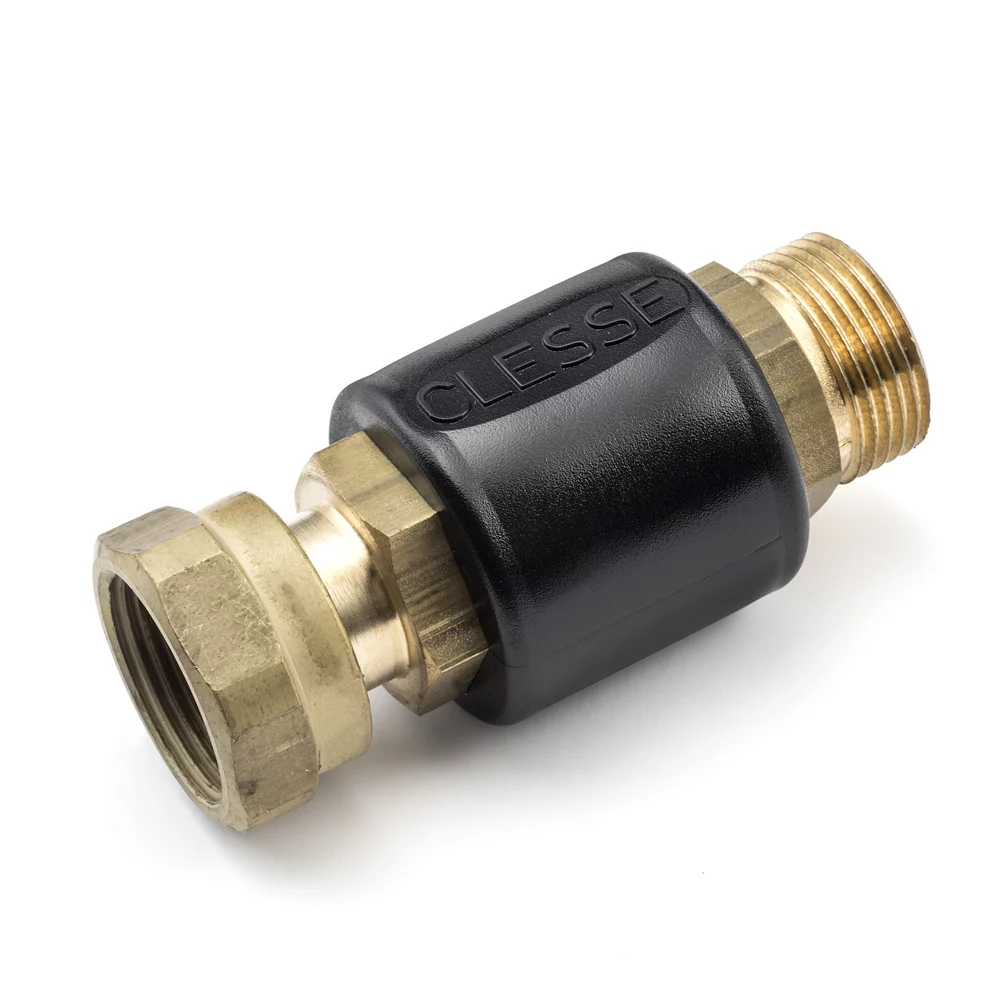
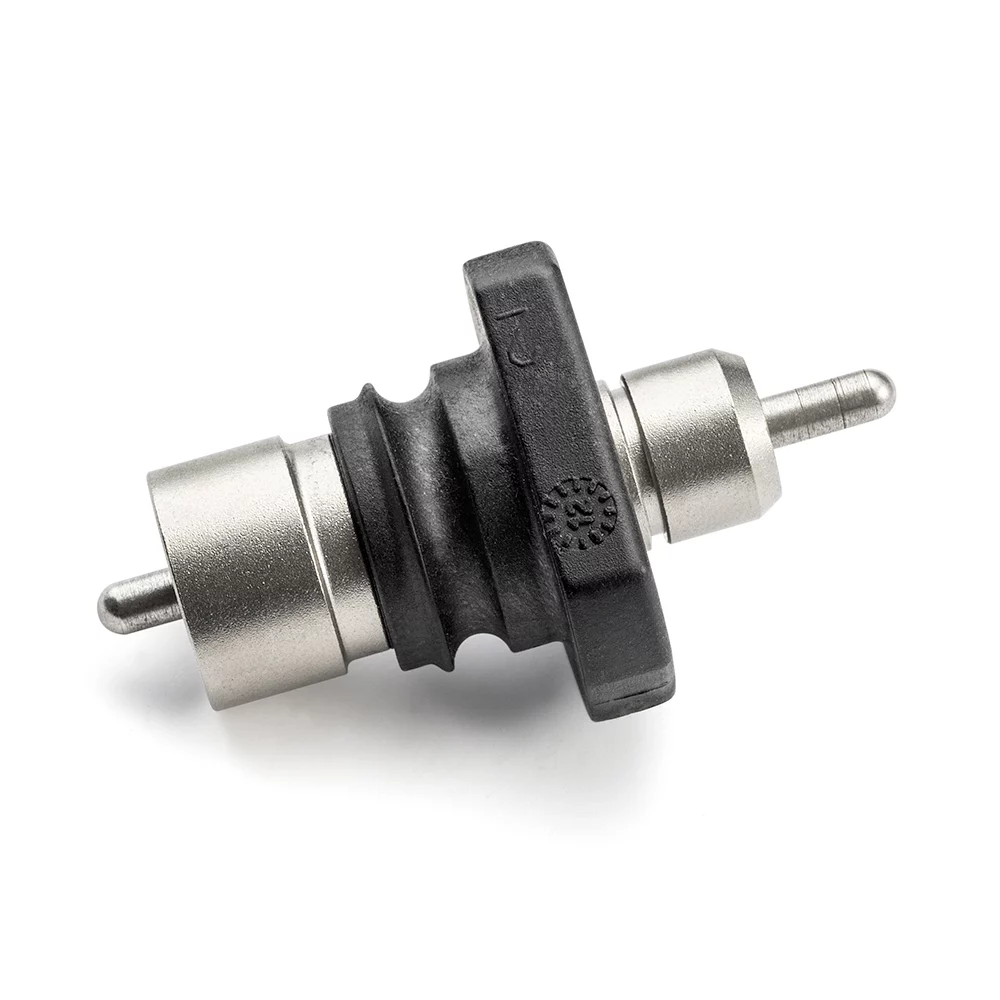
Metal insert molding integrates functional metal elements directly into a plastic component during the molding process.
PPI works with a range of inserts including:
- brass inserts
- stainless-steel inserts
- aluminum inserts
- copper inserts
- technical metal components, including wires and complex geometries
- RFID and NFC components
This approach is particularly valuable when components need to be securely positioned, encapsulated or electrically or mechanically isolated within the finished part.
Adding Functionality Through a Second Material
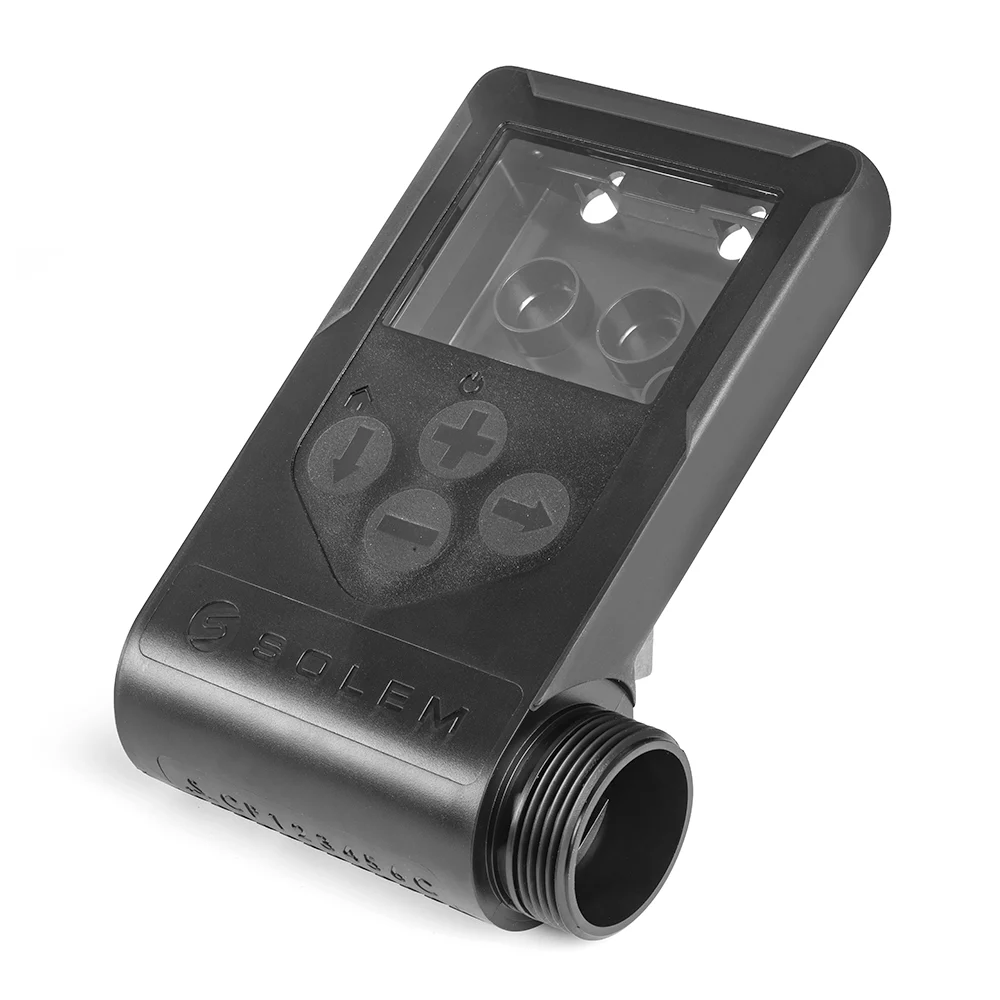
Overmolding can also be used to mold an additional material onto an existing plastic component. Depending on the application, this can provide functions such as:
- improved grip
- surface or component protection
- cushioning and impact absorption
- sealing and IP protection
- impact resistance and IK performance
By integrating these functions during molding, overmolding can also eliminate additional assembly operations.
Combining Rigid and Soft Materials in a Single Component
Some applications require multiple materials to combine different properties within the finished product.
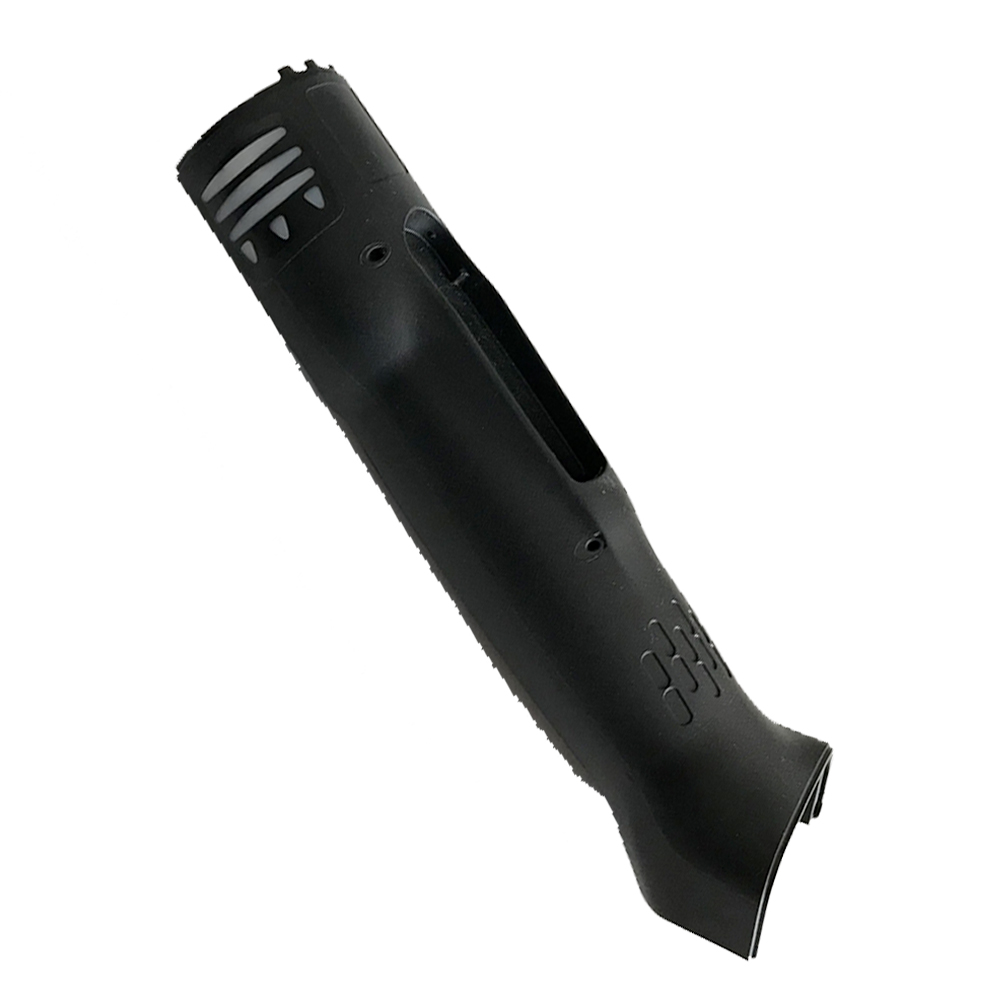
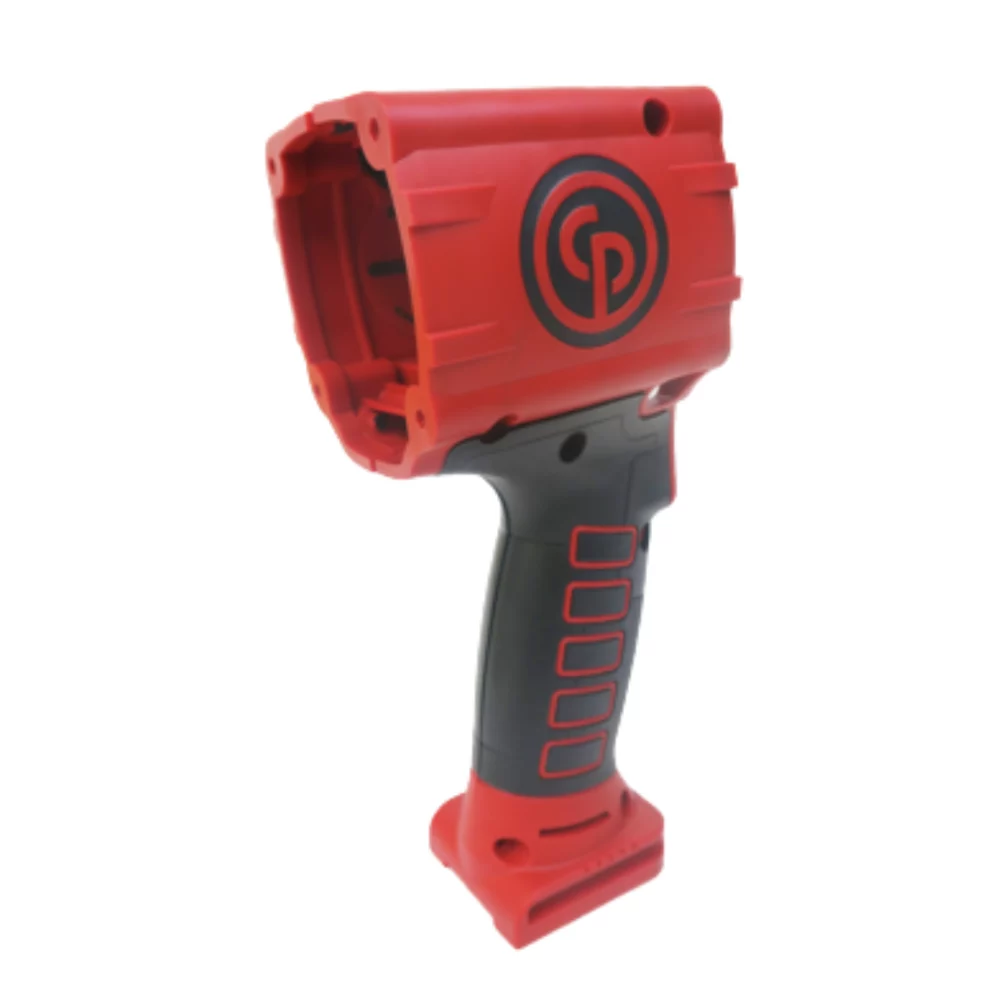
Multi-material overmolding can combine rigid and soft thermoplastics to meet mechanical, ergonomic and appearance requirements.
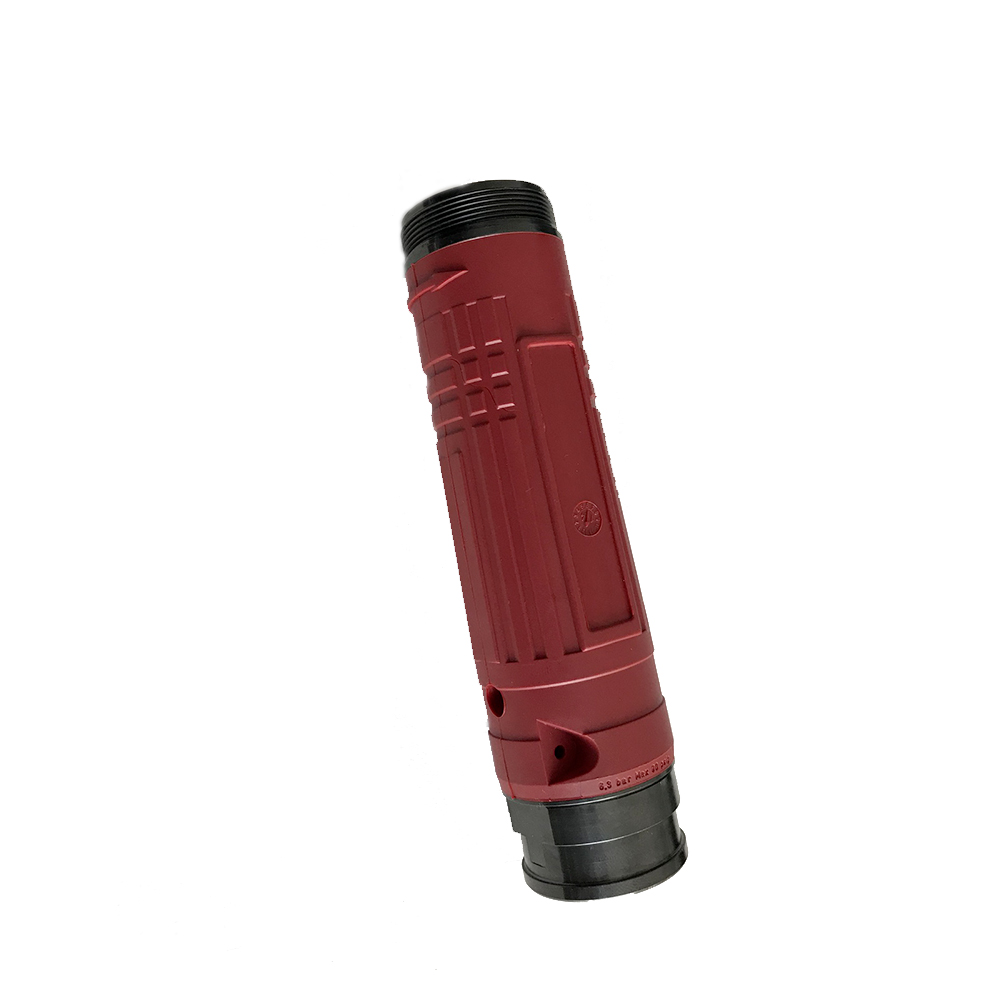
Typical applications include technical handles, industrial equipment and products requiring improved comfort or grip.
2K Molding vs. Overmolding
What Is the Difference Between Two-Shot Molding and Overmolding?
These processes are often confused, but their manufacturing approaches differ.
2K / Two-Shot Injection Molding
Two-shot molding combines multiple materials during an integrated molding cycle, typically within the same mold and dedicated multi-component molding equipment.
Overmolding
Overmolding adds material onto or around a pre-existing substrate, such as a metal insert, an electronic component, a previously molded plastic part or a technical subassembly.
The best process depends on the application’s functional requirements, production volumes, tooling investment and target unit cost.
PPI’s engineering teams help customers determine the most appropriate manufacturing solution for each project.
In-Mold Labeling & Decoration
Integrating Graphics and Functional Surfaces During Molding
PPI’s capabilities also include in-mold labeling and decoration technologies, allowing decorative or functional elements to become part of the molded component itself.
IML · In-Mold Labeling
In-Mold Labeling (IML) involves placing a preprinted label into the mold before injection.
During molding, the label becomes an integral part of the finished component.
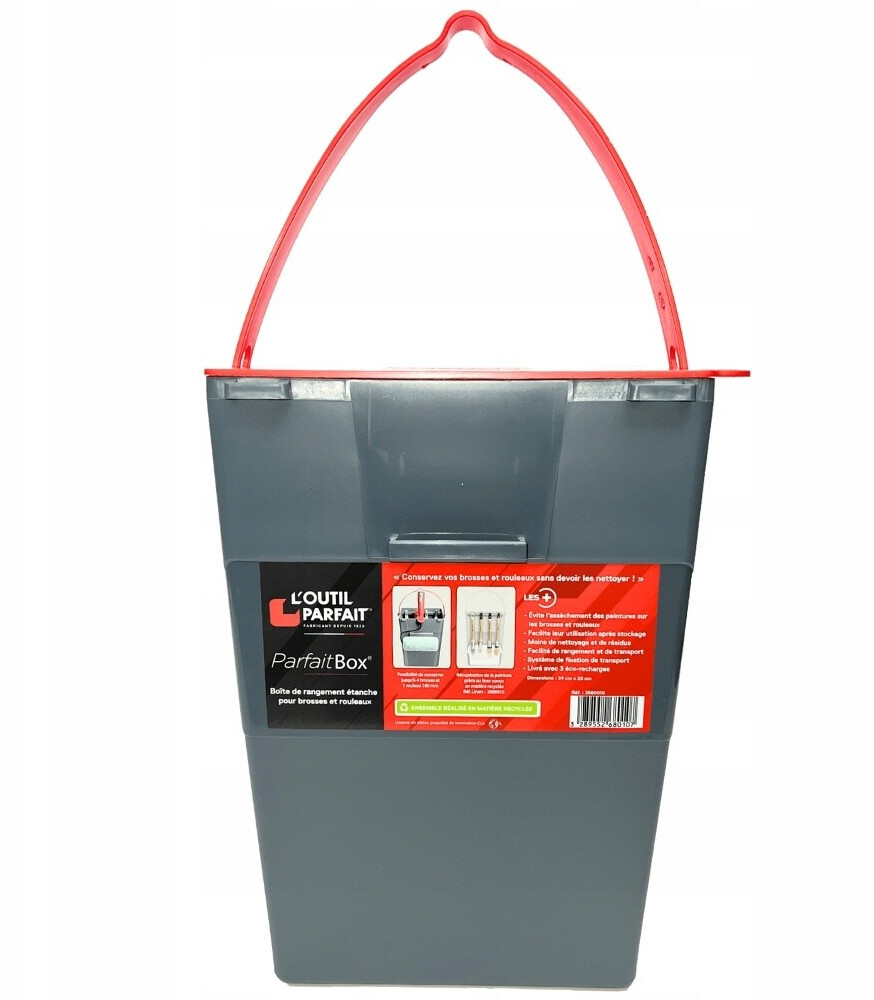
This technology is commonly used for technical packaging, buckets and containers requiring durable graphics or identification.
IML can help:
- eliminate downstream labeling operations
- improve graphic durability
- achieve a consistent, high-quality surface finish
IMD · In-Mold Decoration
In-Mold Decoration (IMD) uses a decorative or functional film integrated directly during the injection molding process.
The technology can create decorated, textured or functional surfaces without requiring an additional post-molding operation.
IMD is particularly suited to technical components and applications with demanding appearance requirements.
Production Equipment
Dedicated Equipment for Insert Molding and Overmolding
PPI operates two vertical injection molding machines (60 and 130 metric tons) specifically suited to insert molding and overmolding applications.
These are complemented by horizontal injection molding machines ranging from 50 to 650 metric tons that can also support overmolding applications depending on project requirements.
This broad equipment range enables us to adapt the manufacturing technology to the product rather than forcing the product to fit a single process.
Our capabilities cover parts ranging from fractions of a gram to several kilograms, depending on the application.
60 & 130 T
DEDICATED VERTICAL INSERT MOLDING MACHINES
50 → 650 T
HORIZONTAL MOLDING CAPABILITIES FOR OVERMOLDING APPLICATIONS
Benefits
Why Overmolding?
Overmolding can deliver significant technical and economic benefits by integrating multiple components and functions directly into the molded part.
01
Fewer Assembly Operations
Integrating multiple components during molding can eliminate downstream bonding, fastening, clipping or other assembly operations.
02
Improved Product Reliability
Reducing the number of separate components and assembly interfaces can reduce potential failure points and improve long-term product durability.
03
Improved Ergonomics & Grip
Soft-touch or non-slip materials can be integrated directly into the component to improve grip, comfort and user interaction.
04
Sealing & Component Protection
Overmolding can encapsulate or protect sensitive components and integrate sealing functions directly into the molded part.
05
Greater Design Freedom
Multiple materials and functions can be integrated into a single component, opening new opportunities for product design and functional integration.
Materials
Broad Material Compatibility
With access to more than 200 material grades, PPI can address a wide range of mechanical, functional and appearance requirements for overmolding applications.
Application Examples
Our Other Capabilities
More PPI Capabilities
Frequently Asked Questions About Overmolding
FAQ
What is plastic overmolding?
Overmolding is a manufacturing process in which thermoplastic material is molded onto or around an existing substrate or component to create an integrated part combining multiple functions or materials.
What types of inserts can PPI overmold?
Our capabilities include overmolding around a range of inserts and components, including brass, stainless steel, aluminum and copper parts, as well as selected plastic and technical components.
What are the main benefits of overmolding?
Overmolding can reduce assembly operations, improve product reliability, integrate multiple functions into a single component and enhance ergonomics, grip, protection or sealing. Depending on production volumes and application requirements, overmolding may also offer a lower initial tooling investment than a dedicated 2K molding solution while still meeting the technical requirements of the project.
Can you overmold one plastic material onto another?
Yes. PPI performs plastic-on-plastic overmolding to combine materials and add technical, functional or appearance properties to the finished component.
What is the difference between multi-material injection molding and overmolding?
Multi-material or 2K injection molding combines multiple materials within an integrated molding cycle, typically using dedicated multi-component tooling. Overmolding involves injecting material onto an existing substrate, such as a metal insert, electronic component or previously molded plastic part.
What is IML?
IML, or In-Mold Labeling, integrates a label directly into the molded component during injection, making it part of the finished part.
What is IMD?
IMD, or In-Mold Decoration, integrates a decorative or functional film during the molding process to create a durable finished surface.
How do I choose between 2K molding and overmolding?
The best process depends on the product’s functional requirements, material combination, appearance objectives, production volumes and project economics. Our engineering teams assess these parameters to identify the manufacturing solution best suited to the application.
PPI
Let’s Discuss Your Project
Developing a Plastic Component?
Our team can support you from design through industrialization.
Your contact

Céline JEANNIN
Sales Manager